
Cool Diet images
Check out these diet images:
Blue-Gray Tanager – Selva Negra, Nicaragua
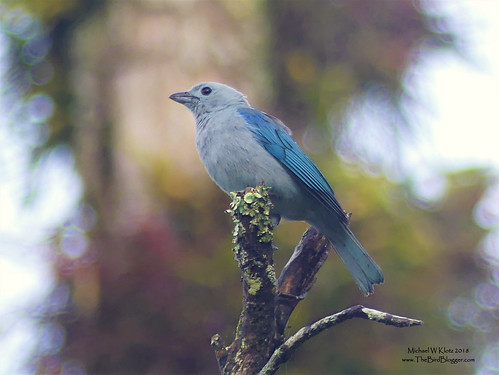
Image by Michael W Klotz – The Bird Blogger.com
At the end of the pond at Selva Negra, there is a lone tree that serves as a nesting spot for a couple of birds. One is a pair of Blue-gray Tanagers. They are a common bird in the tropics, or at least they seem to be everywhere. As tropical tanagers go, they are not the most colorful, but still a beautiful bird all the same. The success of these birds has much to do with the flexibility in their diet and the areas that they will live in. They will eat fruit as will as insects and live in semi open areas including towns, farmland, roadsides and clearing edges.
Michael W Klotz – www.TheBirdBlogger.com
Blouvalk (1)
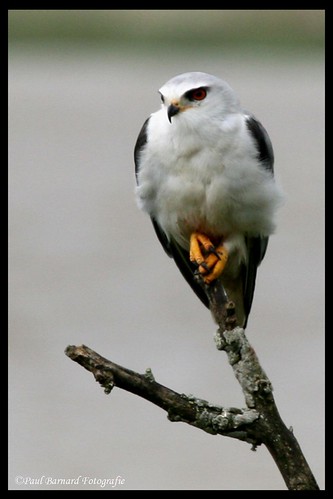
Image by Pixlab.co.za
Small to medium; above dove grey with black "shoulder" patches; below white; rather gull-like in flight; eyes red; often wags tail when perched. Habitat variable, but not forest. Widespread. Common resident and nomad.
Alternative Names:
English (Rob 6): Blackshouldered Kite
English (Rob 7): Black-shouldered Kite
English: Black-winged Kite
German: Gleitaar
French: Elanion blanc
Indigenous: Umdlampuku(X),Unongwevana(X),Tuyu(K),Rukodzi(Sh),Phakoana-mafieloana(SS),Phakoana-tšoana(SS),N’watavangani(Ts),Xikhavakhwani(Ts),Phakalane(Tw),Segôôtsane(Tw),Scientific Explained:
caerulea/caeruleus: Latin, blue.
elanus: Latin, a kite (from Greek elanos, probably from elayn(, to drive or persecute).
Measurements: Length about 30 cm; wingspan (27) 84,4 cm; wing (23 male) 246-268,7-280, (24 female) 248-267,9-276, (14 unsexed) 261-270,3-278; tail (26 male) 110-117,6-129, (27 female) 106-115,9-122, (14 unsexed) 98,2-115,5-123,1; tarsus (14 unsexed) 32,6-34-35,6; culmen (26 male) 15,4-16,6-18,7, (27 female) 16,1-17,3-18,4, (14 unsexed) 15,1-16,8-18,1. Weight (88 male) 197-235,8-277 g, (65 female) 219-257,3-343 g, (19 unsexed) 194-239,9-275 g.
Bare Parts: Iris ruby red to orange-red; bill black; cere, legs and feet yellow.
Identification: Size smallish; above pale grey; below white; black patches on upperwing at wrist; gull-like appearance and flight. Immature: Washed rusty on neck and breast; above brownish with pale edges to feathers; iris grey-brown to yellow-orange; black "shoulders" spotted white. Chick: Buff; gape and legs pink; cere yellow.
Voice: Wheezy whistles and screams; high-pitched peeeu; rasping wee-ah and weep-weep.
Distribution: Africa (except Sahara), Madagascar, Iberia, tropical Asia to New Guinea; throughout s Africa.
Status: Probably commonest raptor in most parts of s Africa, except dry W; resident, but highly nomadic.
Habitat: Varied; mainly grassland and farmland; also woodland, savanna, semi-arid scrub.
Habits: Usually solitary or in pairs by day; roosts communally at night when not breeding, sometimes in flocks of over 100 birds, from 10-35 minutes after sunset. Hunts from perch (tree or telephone pole), or by hovering over open grassland; drops onto prey with legs extended, sometimes in stages before final strike. Wags tail exaggeratedly up and down in threat. Flight graceful and buoyant.
Food: Rodents (up to 98% of diet: mainly Otomys, Praomys and Rhabdomys), shrews, small birds, reptiles and insects.
Breeding: Season: All months in s Africa, mainly July-October in sw Cape, peak in November in e Cape, peak in March in Transvaal and Orange Free State, peak in March-April in Zimbabwe. Nest: Small platform of sticks, about 30 cm diameter and 10 cm thick, lined with grass; in fork 2-20 m (usually (54) 2-3,2-8 m) above ground, near top of tree (usually thorn tree if available), accessible from above; built by both sexes; may add to old nest of another species. Clutch: (124) 2-3,5-6 eggs (usually 3-4). Eggs: Cream to buff, more or less heavily blotched with brown and rust; measure (123) 39,8 x 30,8 (35,6-46,1 x 27,5-34,8); weigh about 21 g. Incubation: 30-31-33 days, all or mostly by female. Nestling: 30-35 days, fed by female only; prey brought by male; fledgling cared for only by male for 80-90 days.
Ref. Mendelsohn, J.M. 1982. Durban Mus. Novit. 13:75-116; 1983. Ostrich 54:1-18; 1984. Proc. 5th Pan-Afr. Orn. Congr.:799-808.
Diet Sparkling Appletini
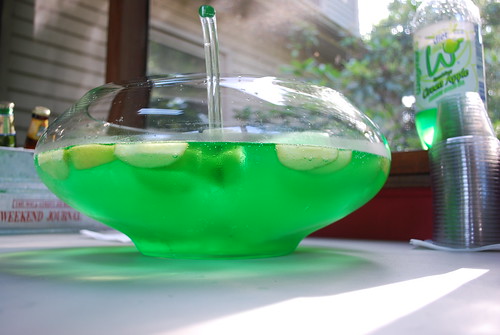
Image by slgckgc
Cool Family Meals images
A few nice family meals images I found:
Image by quentinsf
Watching Sports
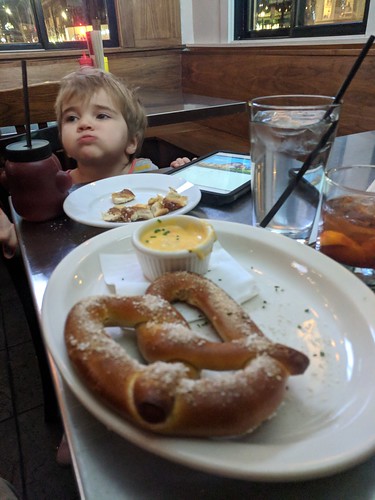
Image by L33tminion
At Parlor Sports in Somerville
Cool Barbecue Foods images
A few nice barbecue foods images I found:
Spare ribs from Enosburg hitting the grill … Now!
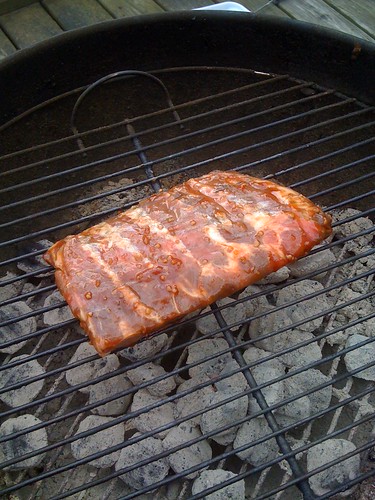
Image by found_drama
-r
JLR Queen’s Birthday
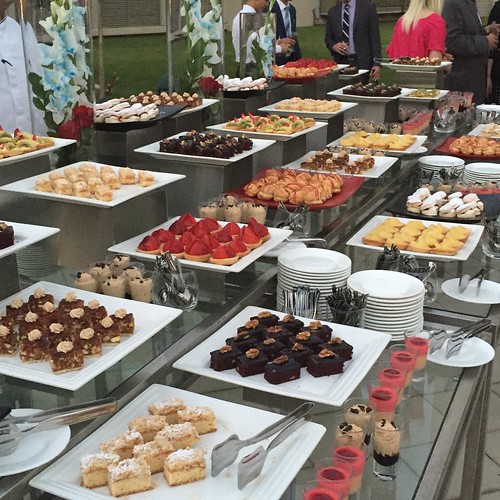
Image by jaguarmena
President Masoud Barzani attended the 89th birthday ceremony of Her Majesty Queen Elizabeth II. The ceremony was arranged by the Consulate General of the United Kingdom and was attended by a number of diplomats and KRG officials. Kak Masoud surprised attendees by visiting and honoring them with his presence during at Rotana Hotel Erbil, proudly sponsored by Sardar Trading Agencies (Jaguar Land Rover).
大甲 / Dajia – 珍北平餡餅
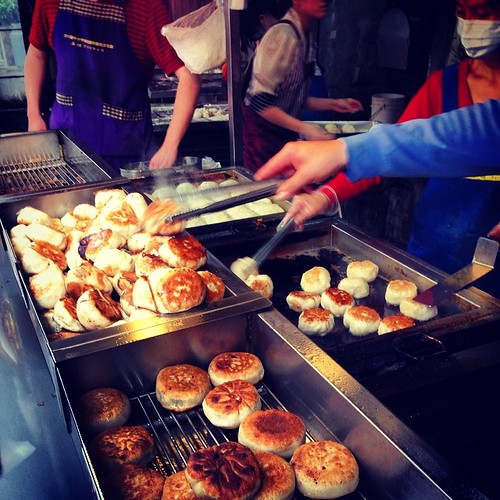
Image by Blowing Puffer Fish
好吃的水煎包與豬肉餡餅
Cool Cookbook images
Check out these cookbook images:
CherriesInCrust2
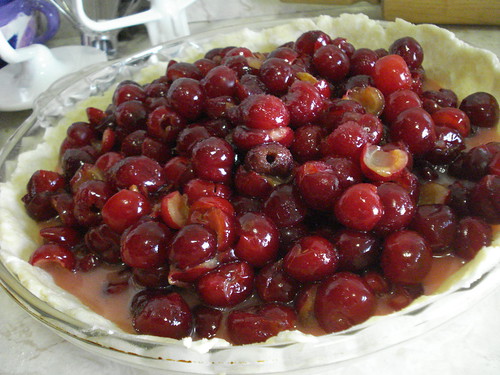
Image by YoAmes
cherry filling in the crust
Cookie? (365.262)

Image by splityarn
The Husband and I bought a Kitchen Aid mixer for our 4th anniversary. Ever since it got here I’ve been cranking out chocolate chip cookies. (These are the Chewy Chocolate Chip cookies from the America’s Test Kitchen Family Cookbook
Cool Family Meals images
Check out these family meals images:
fry mountain
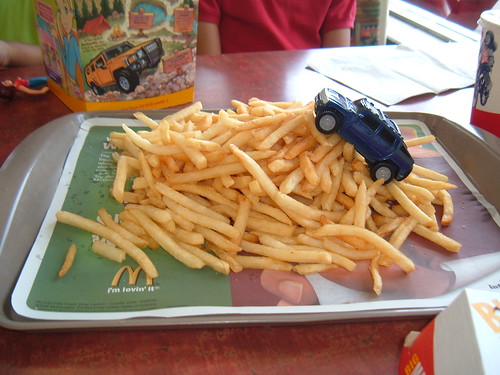
Image by EvelynGiggles
A family tradition wherever we get fries – the kids love it! It’s called: SHARING!
IMG_0716
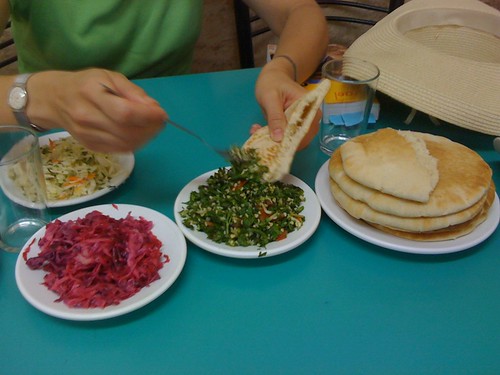
Image by sobolevnrm
Lunch in Akko/Acre – 3
