
Cool Diet images
Check out these diet images:
Blue-Gray Tanager – Selva Negra, Nicaragua
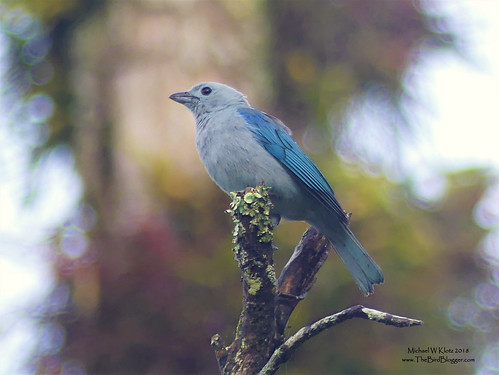
Image by Michael W Klotz – The Bird Blogger.com
At the end of the pond at Selva Negra, there is a lone tree that serves as a nesting spot for a couple of birds. One is a pair of Blue-gray Tanagers. They are a common bird in the tropics, or at least they seem to be everywhere. As tropical tanagers go, they are not the most colorful, but still a beautiful bird all the same. The success of these birds has much to do with the flexibility in their diet and the areas that they will live in. They will eat fruit as will as insects and live in semi open areas including towns, farmland, roadsides and clearing edges.
Michael W Klotz – www.TheBirdBlogger.com
Blouvalk (1)
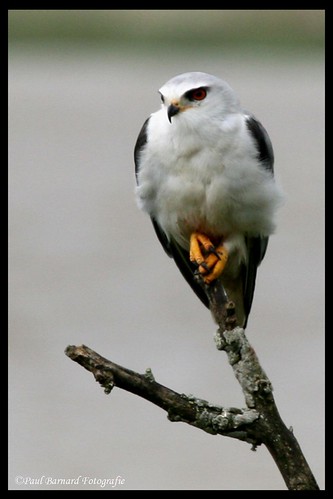
Image by Pixlab.co.za
Small to medium; above dove grey with black "shoulder" patches; below white; rather gull-like in flight; eyes red; often wags tail when perched. Habitat variable, but not forest. Widespread. Common resident and nomad.
Alternative Names:
English (Rob 6): Blackshouldered Kite
English (Rob 7): Black-shouldered Kite
English: Black-winged Kite
German: Gleitaar
French: Elanion blanc
Indigenous: Umdlampuku(X),Unongwevana(X),Tuyu(K),Rukodzi(Sh),Phakoana-mafieloana(SS),Phakoana-tšoana(SS),N’watavangani(Ts),Xikhavakhwani(Ts),Phakalane(Tw),Segôôtsane(Tw),Scientific Explained:
caerulea/caeruleus: Latin, blue.
elanus: Latin, a kite (from Greek elanos, probably from elayn(, to drive or persecute).
Measurements: Length about 30 cm; wingspan (27) 84,4 cm; wing (23 male) 246-268,7-280, (24 female) 248-267,9-276, (14 unsexed) 261-270,3-278; tail (26 male) 110-117,6-129, (27 female) 106-115,9-122, (14 unsexed) 98,2-115,5-123,1; tarsus (14 unsexed) 32,6-34-35,6; culmen (26 male) 15,4-16,6-18,7, (27 female) 16,1-17,3-18,4, (14 unsexed) 15,1-16,8-18,1. Weight (88 male) 197-235,8-277 g, (65 female) 219-257,3-343 g, (19 unsexed) 194-239,9-275 g.
Bare Parts: Iris ruby red to orange-red; bill black; cere, legs and feet yellow.
Identification: Size smallish; above pale grey; below white; black patches on upperwing at wrist; gull-like appearance and flight. Immature: Washed rusty on neck and breast; above brownish with pale edges to feathers; iris grey-brown to yellow-orange; black "shoulders" spotted white. Chick: Buff; gape and legs pink; cere yellow.
Voice: Wheezy whistles and screams; high-pitched peeeu; rasping wee-ah and weep-weep.
Distribution: Africa (except Sahara), Madagascar, Iberia, tropical Asia to New Guinea; throughout s Africa.
Status: Probably commonest raptor in most parts of s Africa, except dry W; resident, but highly nomadic.
Habitat: Varied; mainly grassland and farmland; also woodland, savanna, semi-arid scrub.
Habits: Usually solitary or in pairs by day; roosts communally at night when not breeding, sometimes in flocks of over 100 birds, from 10-35 minutes after sunset. Hunts from perch (tree or telephone pole), or by hovering over open grassland; drops onto prey with legs extended, sometimes in stages before final strike. Wags tail exaggeratedly up and down in threat. Flight graceful and buoyant.
Food: Rodents (up to 98% of diet: mainly Otomys, Praomys and Rhabdomys), shrews, small birds, reptiles and insects.
Breeding: Season: All months in s Africa, mainly July-October in sw Cape, peak in November in e Cape, peak in March in Transvaal and Orange Free State, peak in March-April in Zimbabwe. Nest: Small platform of sticks, about 30 cm diameter and 10 cm thick, lined with grass; in fork 2-20 m (usually (54) 2-3,2-8 m) above ground, near top of tree (usually thorn tree if available), accessible from above; built by both sexes; may add to old nest of another species. Clutch: (124) 2-3,5-6 eggs (usually 3-4). Eggs: Cream to buff, more or less heavily blotched with brown and rust; measure (123) 39,8 x 30,8 (35,6-46,1 x 27,5-34,8); weigh about 21 g. Incubation: 30-31-33 days, all or mostly by female. Nestling: 30-35 days, fed by female only; prey brought by male; fledgling cared for only by male for 80-90 days.
Ref. Mendelsohn, J.M. 1982. Durban Mus. Novit. 13:75-116; 1983. Ostrich 54:1-18; 1984. Proc. 5th Pan-Afr. Orn. Congr.:799-808.
Diet Sparkling Appletini
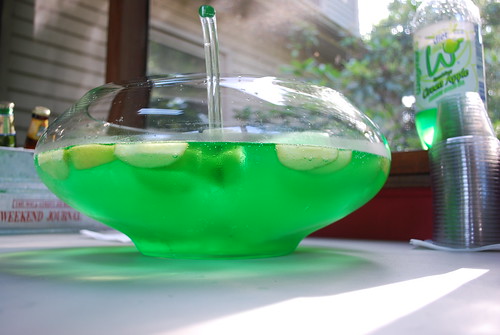
Image by slgckgc
(Diet) Irn Bru By the Pale Sunlight
A few nice diet images I found:
(Diet) Irn Bru By the Pale Sunlight
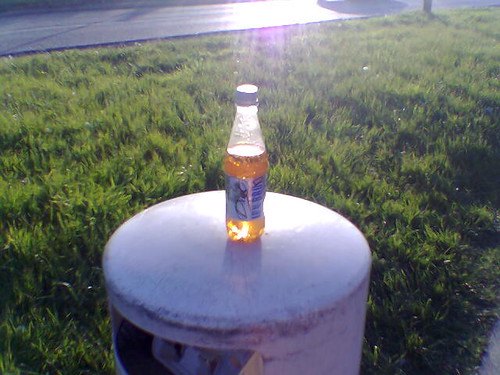
Image by neuro
Diet Coke Coca Cola
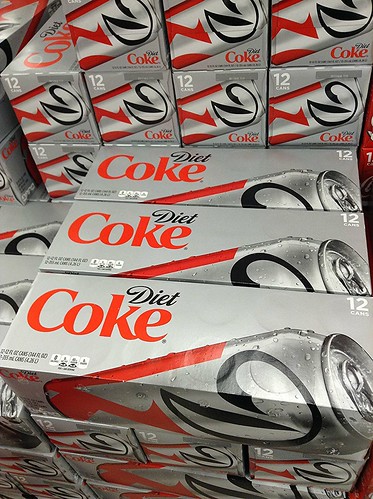
Image by JeepersMedia
Coca Cola Diet Coke
Diet Coke
A few nice diet images I found:
Diet Coke

Image by Thomas Hawk
Shedding
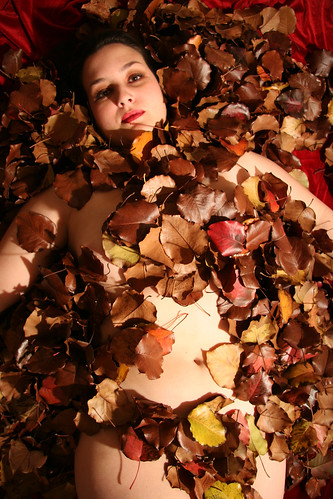
Image by Christi Nielsen
Nice Diet photos
Some cool diet images:
Char Kway Teow in Georgetown
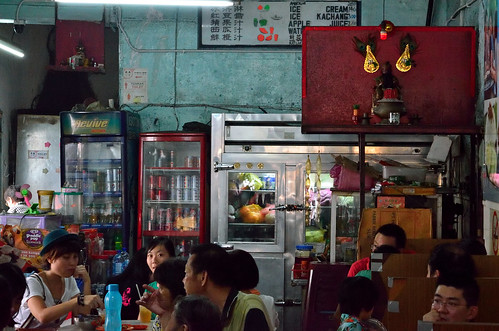
Image by pmorgan
We lined up for longer than I felt was going to be worthwhile at the Joo Hooi Lane Cafe on Jalan Penang in the UNESCO World Heritage area of Georgetown, Penang, Malaysia. I have to admit the old woman made a fine Penang Char Kway Teow (although I am too innocent and mild in this area of food appreciation). And the crowded grimly surrounding changes after a few minutes into something more comfortable and lively. The chendol – the right brown sugar substrate – was great.
Bruce Davidson interviewed by The Guardian:
"What, I ask, has a lifetime of taking photographs taught him? "That often what makes a good picture is almost subliminal. It could be a look on a face or a detail on a piece of clothing. You just have to go with the flow sometimes. When I was a kid, I played baseball and you heard the sound the bat made when it really connected with the ball; you knew you had a great hit. It’s the same with photography: sometimes you hear that click of the shutter and you know you’ve caught something really special."
www.theguardian.com/artanddesign/2011/apr/24/bruce-davids…
This photo slowly became one of ‘my darlings’ and is therefore at risk of undue personal beautification and I know it isn’t perfect; too grainy etc. But I like the colours and the light. I learned a lot about printing too trying to get this right.
Like The Diet Drink of SEVEN-UP Quality
Check out these diet images:
Like The Diet Drink of SEVEN-UP Quality

Image by Majiscup – The Papercup & Sleeve
1960s. Dixie Cup div. of American Can Co., Easton, PA.
Raw Pork Meat in Bloody Butchery of Corpses

Image by epSos.de
Free picture of the raw pork meat in a bloody butchery of pig corpses. This meaty photo of the Asian butcher was created for you by the wholesome friend epSos.de and it can be used for free, if you link epSos.de as the original author of the image.
Bloody, raw meat of pork is often sliced in a clean butchery. The corpses are red, so that it is a good sign of freshness for the Chinese butcher in the Asian Island of Penang in Malaysia. Penang is located in a Muslim-dominated country, but it has found a way to understand other cultures and religions. People can be a strict Muslims and tolerate pork in Malaysia as long as they are not eating it intentionally. The people from the villages are often afraid of pork or dogs, but the people from the cities are more moderate about the interpretation of the Islamic scripts. They understood that the world consist of multiple cultures and can live with that pretty well.
The fresh meat is scary for a non-vegan or a non-vegetarian even. The anti-vegetarian and anti-vegan friends of meat consumption would probably enjoy this picture of carnivores who love steak as regular food. The meats in this shop of the butchers is organic, because the market for pork meat is smaller in Malaysia, so it can be focusing on good quality for best diet that is free from chemicals.
This beautiful shop has been processing dead swine bodies for multiple generations and is non-halal, which is a job for another company store that is located in the same district . The big wooden chopper is used for small cuts of fillet that is for direct sale to customers.
The meatless bones from the cadaver products are used directly for soups or sold to a wholesale customer for cheap. The gourmet lovers of pig often look away from butchering of swine and pigs but still eat the meat.The work of this Asian butcher is bloody and dirty, there is no doubt about that.
Since millenniums animals are killed by people or are hunted. Through this originate, perhaps, after processing, meat products like salt meat or sausages. The meat of the animal becomes direct on killing the same is processed without letting cool it before.
Matured meat holds at room temperature only very much restricted, why above all in very based on the division of labour economies like the industrial nations a complete chill chain is necessary to avoid bacterial ruin.
In Germany the meat consumption per head lay in the late Middle Ages yearly with more than 100 kilogrammes. During the following centuries he went down on and on and reached in the 19th century the lowest value from on an average 14 kg of meat. Between 1961 and 2007 the meat consumption rose in Germany of on an average 64 kg on 88 kg per head and year.
Vegetarians consume no meat from ethical, health and/or ecological motivations. Besides, Veganer consume no other food of animal origin like milk, eggs or honey. In addition, you refuse the use of all animal products, thus, for example, wool, leather and fur or certain cosmetics.
Thank you for sharing this picture with your friends !
