
Visiting Dad and Bev (October 2012)
Check out these family meals images:
Visiting Dad and Bev (October 2012)
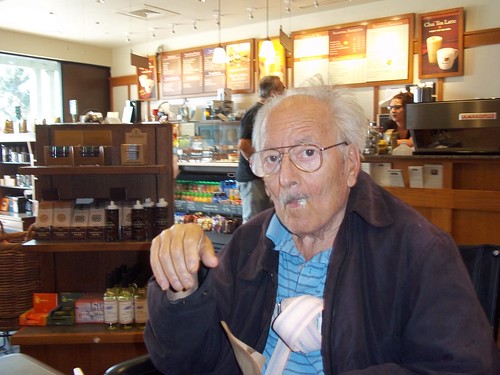
Image by cseeman
Photos of Dad (Bernie) and Bev on Saturday October 13, 2012 and Sunday October 14, 2014. The pictures were at Peet’s in Antioch, California, at the Edgewater Covenant Church in Pittsburg, and two meals at their favorite restaurant (EJ Phair) in Pittsburg, California.
2014 Thanksgiving Meal

Image by U.S. Army Garrison Casey
Army leaders express gratitude to Service members, civilian employees and families by serving a traditional Thanksgiving meal Nov. 27. Warrior Country dining facilities were decorated in seasonal colors, baked goods and a cornucopia of fruit and vegetables.
131128-A-TN121-011

Image by 210th Field Artillery Brigade
CAMP CASEY, South Korea – Soldiers and Families from 210th Fires Brigade, 2nd Infantry Division share a Thanksgiving feast at the Thunder Inn on Camp Casey, South Korea Nov. 28, 2013. The dining facility staff cooked traditional Thanksgiving dishes and created themed displays to compete in the 2ID Thanksgiving Culinary Arts Competition. Senior leaders from the Thunder Brigade served the meal to honor Soldiers and Family members, the centerpiece of the brigade and the strength of the Army. (U.S. Army photo by Capt. Kelly E. McKenzie, 210th Fires Brigade Public Affairs)
Martinsville-based 1173d Transportation Company hosts open house
Some cool family meals images:
Martinsville-based 1173d Transportation Company hosts open house
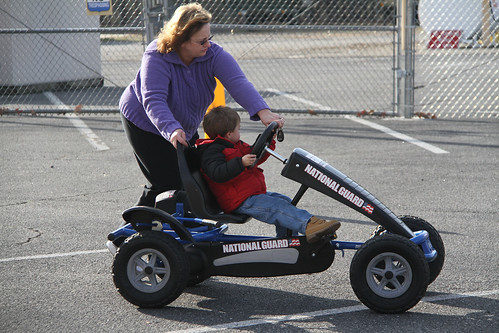
Image by Virginia Guard Public Affairs
The Martinsville-based 1173d Transportation Company, 1030th Transportation Battalion, 329th Regional Support Group hosted an open house Dec. 11, 2010 and also served Soldiers and family members a holiday meal. Maj. Gen. Daniel E. Long, Jr., the Adjutant General of Virginia, visited the event to enjoy the meal prepared by the company food service section as well as talk with Soldiers and families and recognize select Soldiers for outstanding performance. In addition to vehicle displays, the Virginia Guard Counterdrug Program also set up an informational display, and the Virginia Guard Recruiting and Retention Command provided a climbing wall and other activities. (Photo by Cotton Puryear, Virginia Department of Military Affairs)
IMG_9142
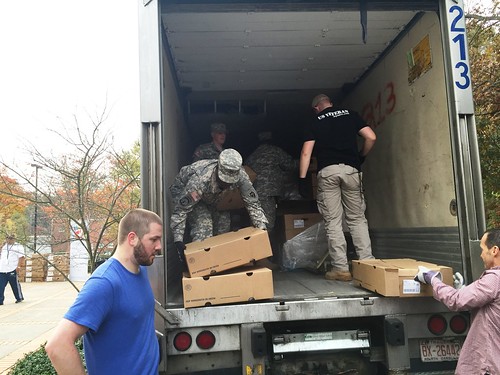
Image by North Carolina National Guard
RALEIGH, N.C.– Coldwell Banker Howard Perry and Walston (CBHPW) distributed 2,500 Turkeys to more than 60 local charities as well as active military and veterans through its annual Turkeys for the Troops and Turkeys for the Triangle program on 18 November 2015. CBHPW staff along with U.S. Veterans Corps and N.C. National Guard Soldiers gathered this morning to unload the turkeys intended to help provide a holiday meal for families around the Triangle.
Soldiers and loved ones gather for 229th MP Company’s holiday meal
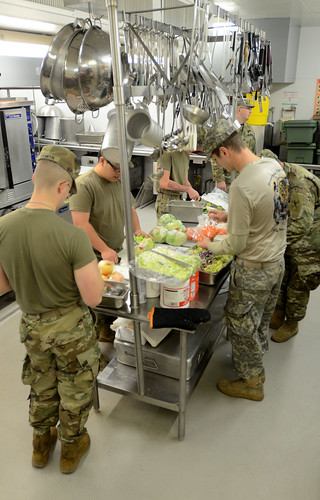
Image by Virginia Guard Public Affairs
Virginia National Guard Soldiers assigned to the Manassas-based 229th Military Police Company, 1030th Transportation Battalion, 329th Regional Support Group gather with family and friends during their annual holiday meal Dec. 8, 2018, in Richmond, Virginia. Some of the unit’s members helped prepare and cook the meal, which was served to Soldiers and guests by the 229th’s leadership. Brig. Gen. James Ring, VNG director of the joint staff, attended the celebration and thanked the company for their service, including during security operations in Charlottesville earlier this year and in 2017. (U.S. National Guard photo by Mike Vrabel)
Nice Diet photos
Some cool diet images:
Dieter Rams: Braun SK4 (1956) and SK55 (1963) – “snow white coffin” / “schneewitchensarg”
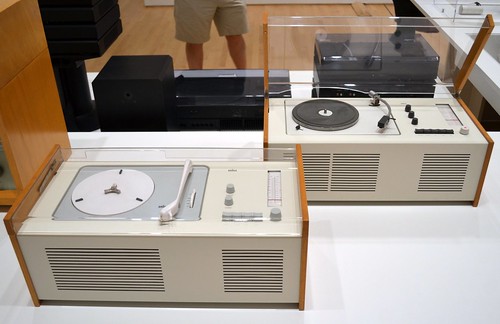
Image by spieri_sf
Exhibition @ San Francisco Museum of Modern Art: Less and More – The design ethos of Dieter Rams
IMGP0900
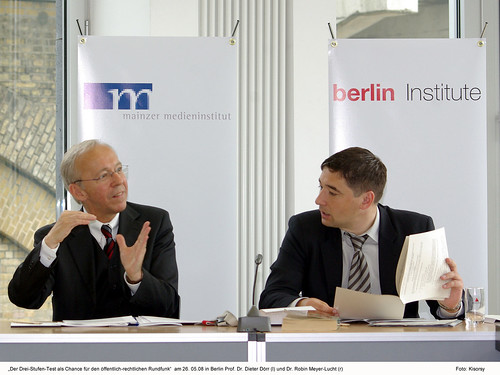
Image by berlin_institute
Dieter Dörr and Robin Meyer-Lucht on the 26th of May 2008; foto by Christine Kisorsy
Cool Cook Books images
Some cool cook books images:
vijs-at-home-cookbook-launch-20100918-IMG_6295.jpg

Image by roland
More Than Memories
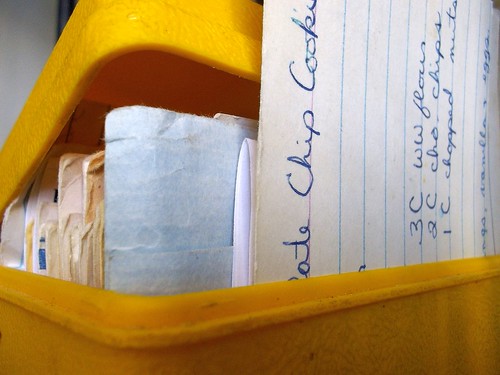
Image by MTSOfan
We’ve been married thirty-one years, and we started out with this recipe box. When most of the cards in this box were compiled, we had no cook books and we couldn’t have imagined the internet.
Family members, from a previous generation in Janice’s family and in mine, gave us these tried-and-true instructions for the kitchen.
They’re more than memories.
baci di dama salati

Image by domitilla ferrari
Cook & Books Academy
la Scuola di Cucina di Sale & Pepe
Banana, walnut & garam masala low-fat caek
Check out these barbecue foods images:
Banana, walnut & garam masala low-fat caek
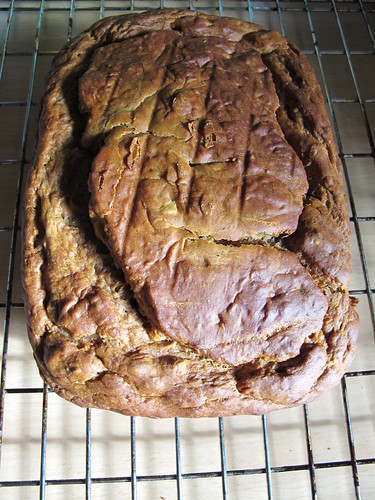
Image by Rain Rabbit
Working hard & hadn’t been out of the house for days, so used up bananas that were going brown and stinky!
20111225-IMG_3223

Image by Rock Portrait Photography
The shrimp are ready
Ribs on Grate

Image by Another Pint Please…
Blog Post: What’s on the Grill #177: Grilled Korean Short Ribs
